What Is Food?
In simple terms, food is anything you eat that gives your body support. Learning how to choose healthy food for your health can change your life in a big way. Food is like fuel. It keeps your body’s engine running. This is true for a fancy meal. It’s true for a quick snack too. Food falls into three main groups. Each group does a different job for your body.
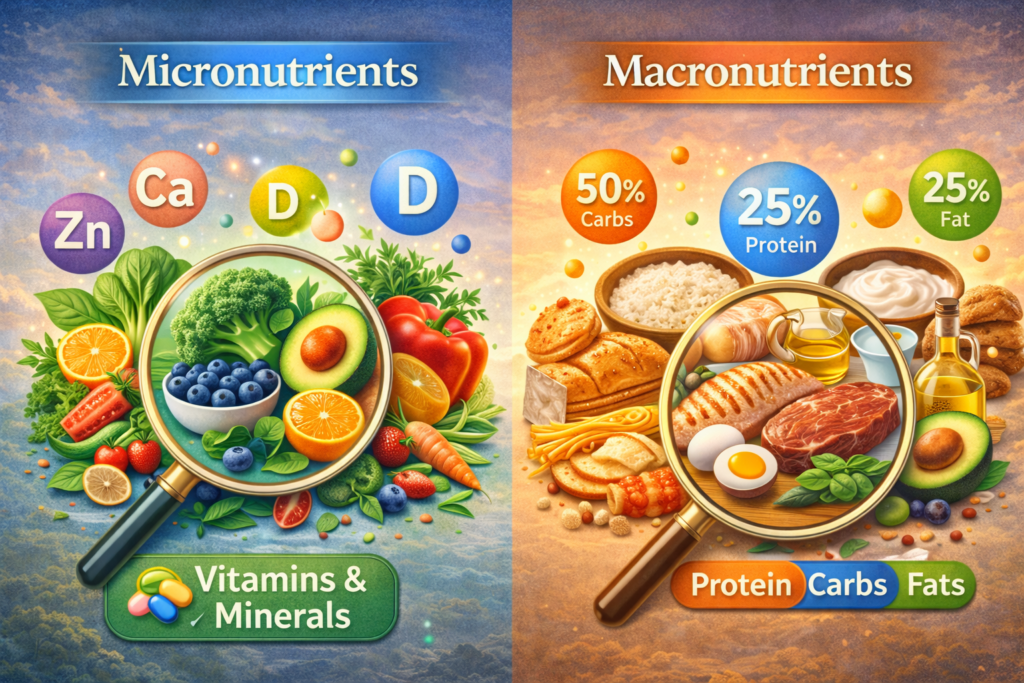
The Building Blocks
These are the parts your body needs in large amounts. Knowing them is the first step in how to choose healthy food for your health.
- Carbs: Your body’s top choice for quick energy. You’ll find them in grains, fruit, and starchy veggies.
- Protein: The “repair crew” for your muscles and skin. Find it in meat, beans, tofu, and dairy. It keeps your body strong and fights swelling.
- Fats: Stored energy for your body. They support your brain and your hormones. Find them in oils, nuts, and avocados. Your body uses stored fat when you go without food for a while.
The Small but Mighty Parts
You only need these in small amounts. But you can’t live without them. They matter just as much when you’re learning how to choose healthy food for your health.
- Vitamins: These help your body run key chemical steps. Vitamin C and D help make hormones.
- Minerals: Iron and calcium build strong bones. They help carry oxygen through your blood. They’re key to a child’s growth too.
Food Is More Than Fuel
Food is also part of your culture. This is one more reason how to choose healthy food for your health isn’t just a science question. Food shows love. It marks holidays. It keeps old traditions alive. Try to eat food that grows near you, in its own season. That’s often the freshest, best choice.
Fun fact: water is sometimes left out of the “food” list. But it’s still the most vital part of what you take in each day.
Why Healthy Food Matters So Much
Think of your body like a car. Bad fuel might get you a few miles. But soon, the engine will struggle. Healthy food is the premium fuel that keeps your whole body running well. This is why smart healthy food choices matter so much. Eating rich, whole foods is not optional for the long run. It’s at the core of how to choose healthy food for your health.
It Helps Prevent Disease
Good food acts like medicine. This makes it one of the best foods for health habits. It’s a key part of how to choose healthy food for your health. A meal full of fibre, antioxidants, and healthy fats can help lower your risk of:
- Type 2 diabetes: By keeping blood sugar steady.
- Heart disease: By keeping cholesterol and blood pressure in check.
- Ongoing swelling: Tied to joint pain and other health issues.
- Faster aging: Since vitamins and minerals help slow it down.
It Clears Your Mind and Lifts Your Mood
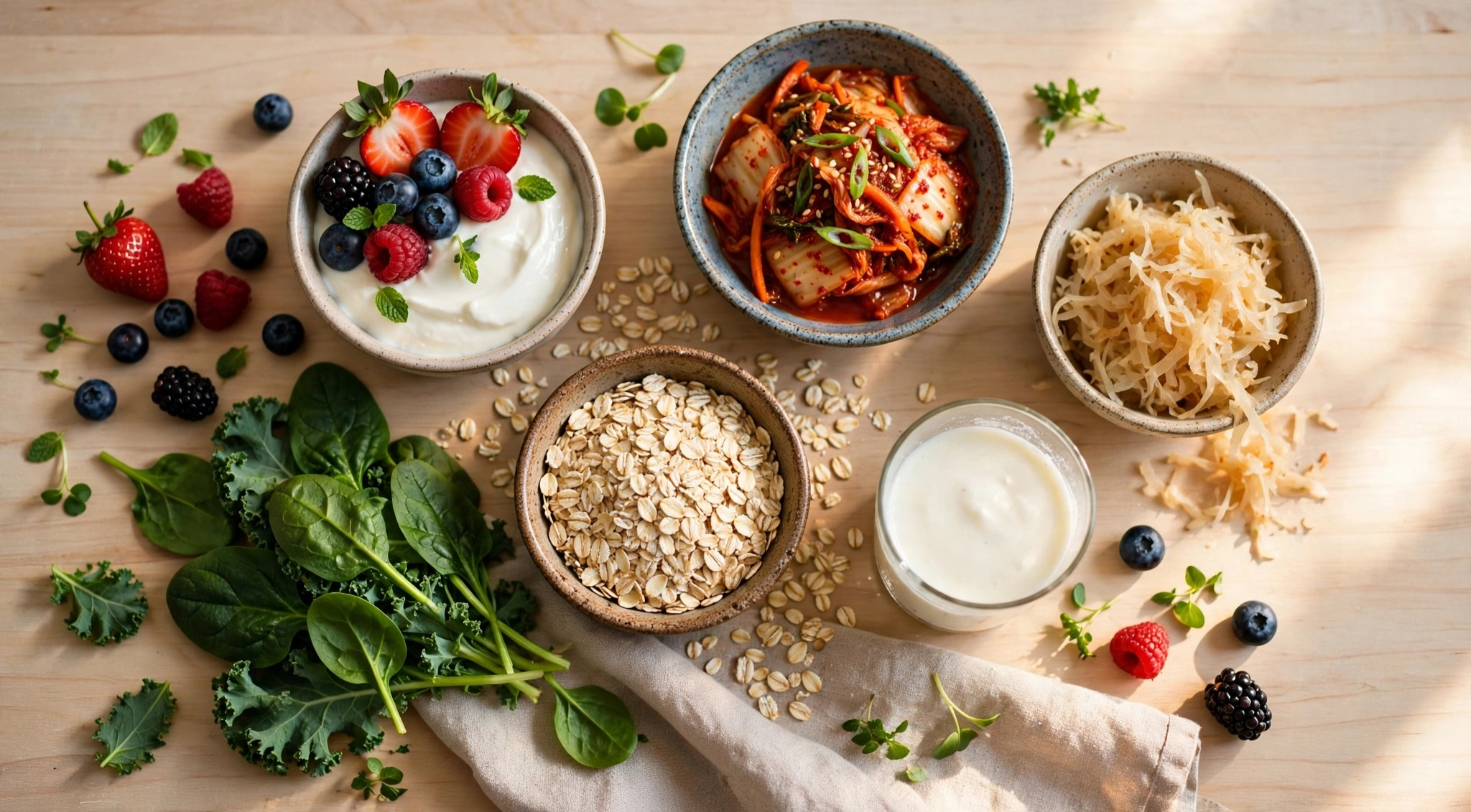
Your gut and brain are closely linked. This is another way how to choose healthy food for your health shapes more than your waistline.
- Steady energy: Foods like oats and brown rice give you slow, steady fuel. This helps you dodge sugar crashes that make you cranky and tired.
- Brain support: Omega-3s and B vitamins help your brain make the chemicals that keep you happy and sharp.
It Repairs and Rebuilds Your Body
Your cells are always being replaced. Choose food for better health to give your body what it needs. This is the true heart of how to choose healthy food for your health.
- Protein repairs your tissue and keeps your muscles strong.
- Calcium and vitamin D keep your bones from turning brittle.
- Vitamin C and zinc help guard your immune system.
The payoff is real: stronger immunity, faster healing, less risk of illness, and healthier skin and hair.
A quick note: eating well doesn’t mean giving up pizza for good. It’s about what you do most days, not what you do once in a while.
Steps to Choose Healthy Food
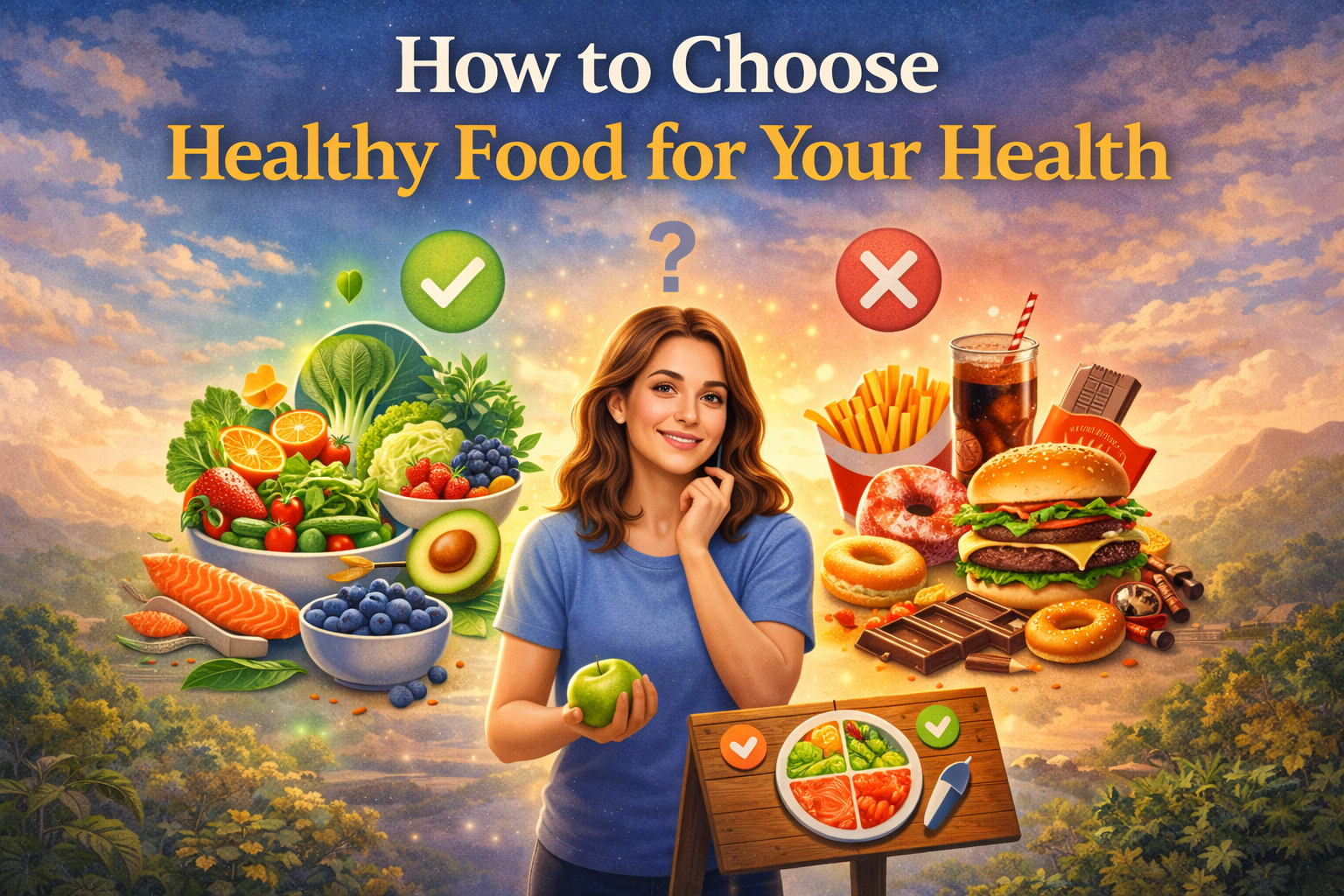
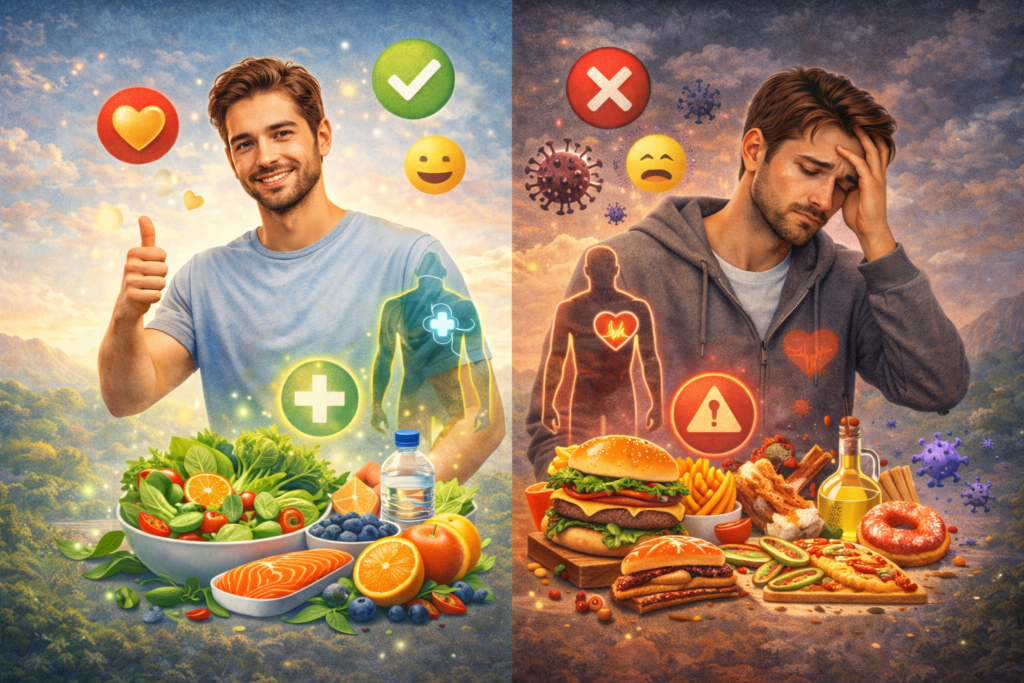
Choosing healthy food doesn’t need to be hard. But many of us have made it feel that way. We chase trends. We eat only for taste, not for health. The truth is simpler. Skip the fad diets. Focus on real, whole foods instead. That’s the real path to how to choose healthy food for your health.
Here’s a simple guide to help you choose better food.
Choose Nutrient-Rich Foods First
The core rule of how to choose healthy food for your health is simple. Pick foods with the most nutrients for the fewest calories.
- The one-ingredient test: An apple. An egg. A bag of spinach. If a food has just one ingredient, it’s almost always a smart pick.
- Watch the processing: More steps from farm to plate means more nutrients lost. It also means more hidden sugar, salt, or bad fats.
Eat the Rainbow
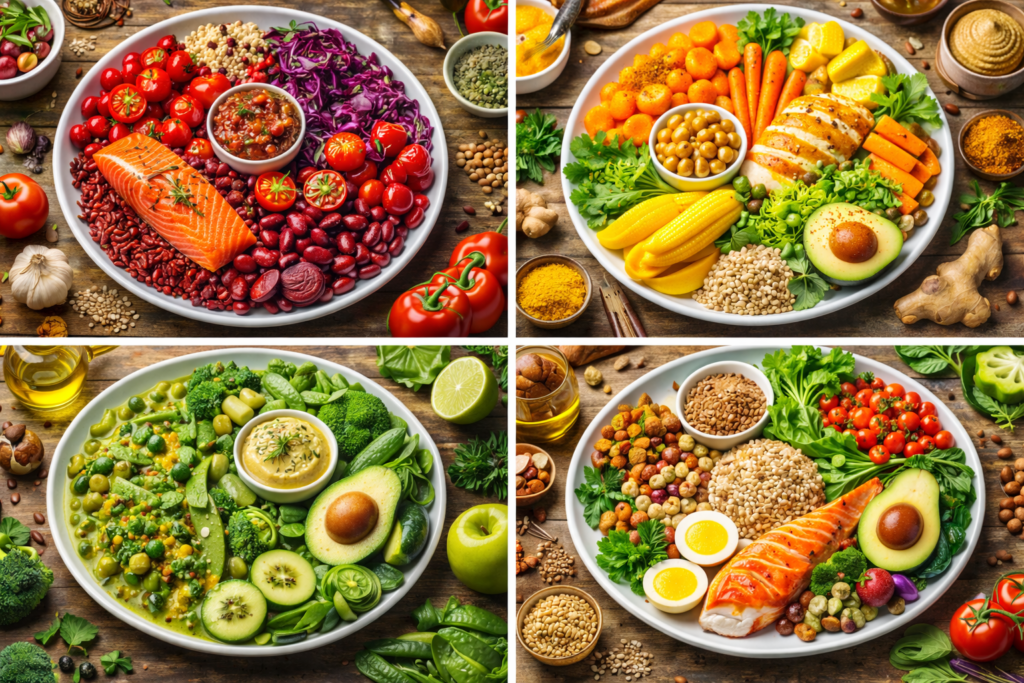
Different colours of fruits and veggies carry different nutrients. Try to mix these healthy foods to eat into your day. Doing this helps you practice how to choose healthy food for your health. It also helps you learn what foods are good for your health.
- Red: Good for your heart and skin. Think tomatoes, berries, and beets.
- Green: Rich in vitamin K, iron, and calcium. Good for digestion and bones. Think kale, broccoli, and spinach.
- Blue and purple: Full of strong antioxidants. Good for your brain and memory. Think blueberries, grapes, and eggplant.
- Yellow and orange: Rich in nutrients your body turns into vitamin A. Good for your eyes and skin. Think carrots, squash, and oranges.
Match Food to Your Body Type
We all need a balanced diet. But your body type and activity level are unique to you. So how to choose healthy food for your health can look a bit different for each person.
- Active body type: Try a mix of complex carbs and lean protein to fuel your workouts and recovery.
- Naturally lean, fast metabolism: You may need more carbs, like quinoa, oats, and sweet potatoes, to keep your energy and muscle up.
- Slower metabolism: Focus on fiber-rich veggies and healthy fats. Keep carbs a bit lower to help ease swelling and support a healthy weight.
Foods to Watch Out For
Some foods can do real harm. Learning to spot them matters just as much as learning how to choose healthy food for your health.
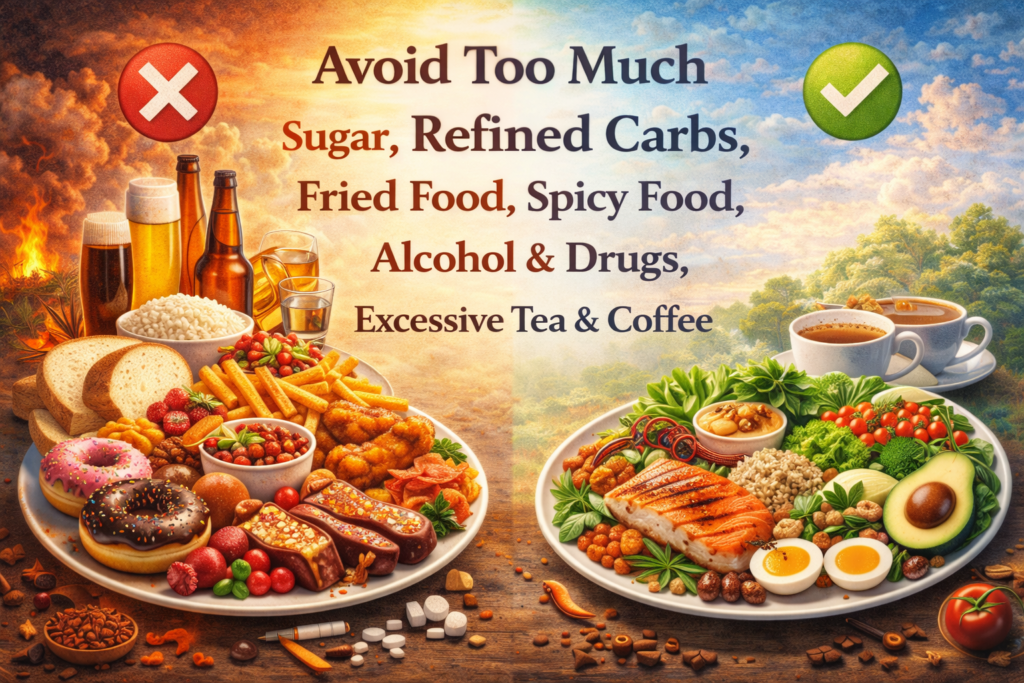
- Too much sugar: Choose low-sugar foods. Pick natural sugar over white sugar. Skip regular soda.
- Refined carbs: These are hard on your gut and easy to overeat.
- Fried food: Deep-fried food, eaten often, can cause bloating and heartburn.
- Spicy food: Too much, too often, can wear on your gut lining over time.
- Alcohol and drugs: These offer no real health benefit. Best to skip them.
- Too much tea or coffee: Large amounts can upset digestion. Drinking either after 5 p.m. may hurt your sleep.
Small, steady choices add up. In the end, that’s the real answer to how to choose healthy food for your health for good.
At Healthyayu, you will get to know the best foods for health, ways to improve mental health, best foods for gut health, and foods for good mental health for better well-being.
Key Takeaways
- Food gives your body energy, repair tools, and small but vital nutrients.
- Good food helps prevent disease and boosts your mood.
- Eating the “rainbow” of fruits and veggies covers more nutrient needs.
- Your best food plan depends on your own body type and activity level.
- Small, steady habits matter more than perfect meals or strict rules.
FAQs
1. What is the 3-3-3 rule for healthy eating?
It means eating three balanced meals a day, spaced about three hours apart. Each one should include healthy foods to eat, like whole grains, lean protein, and vegetables.
2. What are the five rules for healthy eating?
Eat whole foods. Watch your portions. Drink enough water. Limit added sugar. And vary your healthy food choices across different food groups.
3. How do you track healthy food?
Keep a simple food log. Note what you eat, how much, and how you feel after. This helps you spot what foods are good for your health and which ones aren’t.
4. How do you get better food for your health?
Shop the outer store aisles. Cook more meals at home. Read food labels closely. These are simple ways to bring more food for better health into your day. They’re also a real answer to how to choose healthy food for your health.
5. What is the least healthy food out there?
Ultra-processed foods are near the top of the list. Think sugary soda and deep-fried snacks. They’re high in added sugar, bad fats, and salt. This is exactly why learning the best foods for health matters so much.