Have you experienced bloat, mental fog, or fatigue? Have your skin breakouts been unpredictable? If you are sure that it is related to what you eat, then you have the right idea. Your digestive tract is not only about digestion. It communicates with your immunity, hormonal balance, brain, skin, and even stress responses. What is the key behind Hack Your Health: The Secret of Your Gut Health?
This guide covers what your gut really is, how modern life affects it, why that matters far beyond digestion, and real gut health tips you can use today.
What Is “The Gut,” Really?
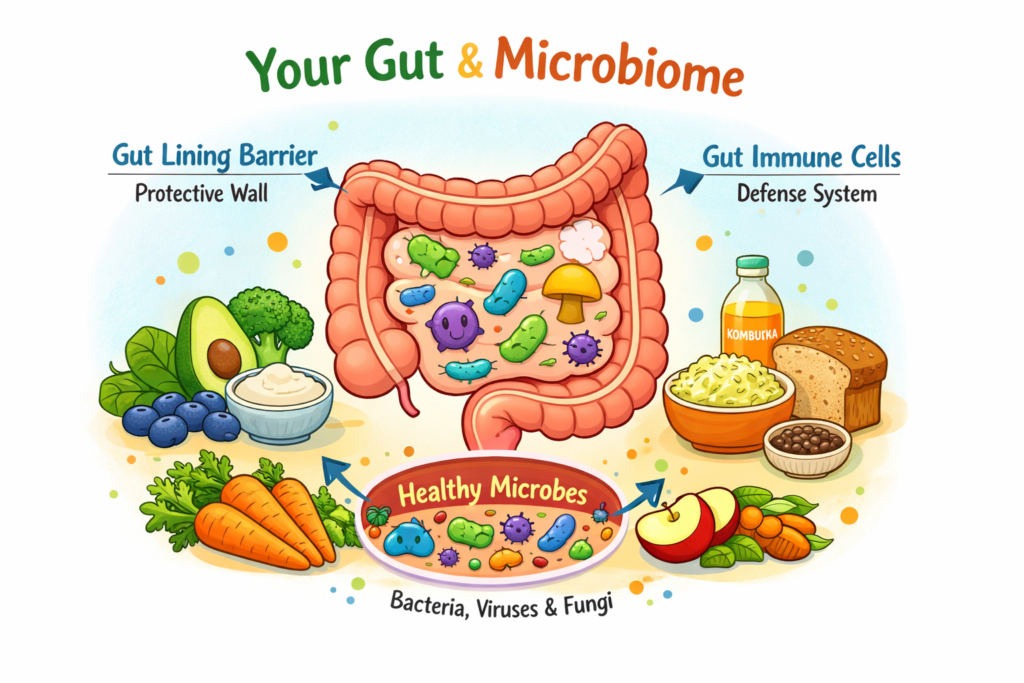
When people say “gut,” they usually mean the whole digestive tract, running from your mouth to the other end. But gut health means more than body parts. This is the true starting point for Hack Your Health: The Secret of Your Gut Health. It also includes:
- The gut lining: A shield that decides what enters your body and what stays out.
- The gut immune system: A large share of your immune work happens right here.
- The gut microbes: Trillions of tiny living things, mostly in your large intestine, that help digest food and absorb nutrients.
Imagine your gut like a rainforest, where variety is what makes it strong. A rich mix of microbes breaks down fibre, makes helpful compounds, supports your vitamins, and keeps harmful microbes in check.

ItHow Modern Life Is Hurting Your Gut
Your gut microbes react fast, sometimes within days, to what you eat, how you sleep, and how stressed you are. Modern habits are shrinking the variety of your gut microbes, a huge part of Hack Your Health: The Secret of Your Gut Health. Bad habits also weaken these microbes over time.
1. Processed Food Is Hurting Your Gut
Packaged foods are often high in additives and sugar, but low in fiber. High intake is linked to a less healthy gut. You don’t need to quit all packaged food, but it shouldn’t be your main diet. Fiber is the main food source for your gut microbes. Choosing fiber-rich food is one of the simplest gut health tips out there.
2. Antibiotics Can Disrupt Your Gut
Antibiotics can save lives. But they act like a wildfire in your gut, killing good and bad bacteria alike. Gut diversity can drop for weeks or months after antibiotic use. Some people don’t fully recover. This is part of why Hack Your Health: The Secret of Your Gut Health speaks to so many people. Many take several antibiotic rounds to fight illness, sometimes even when they aren’t truly needed.
3. Stress Changes How Your Gut Works
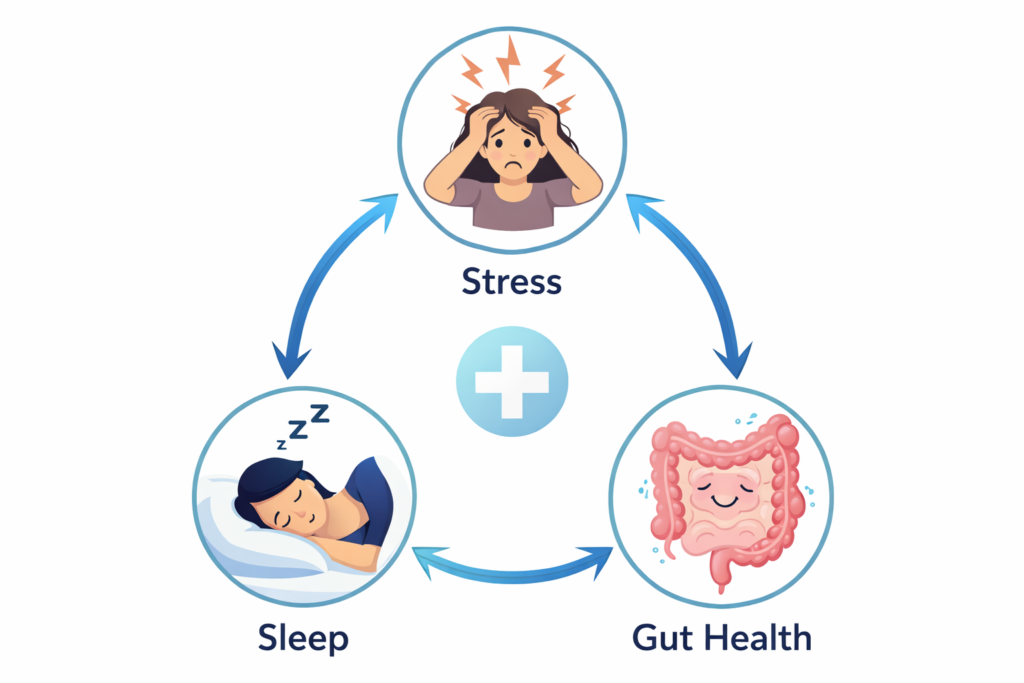
Stress isn’t only in your head – it affects your gut too. Stressful days raise cortisol. High cortisol slows digestion, causes swelling, and drives belly fat. If you’re always rushed and anxious, your gut often shows it first. This is exactly what Hack Your Health: The Secret of Your Gut Health is all about.
4. Poor Sleep Throws Off Your Gut’s Clock
Odd sleep hours and late-night scrolling disrupt your gut’s rhythm. Your gut runs on a clock, and late meals or poor sleep can throw that clock off. Keep a steady routine, one of the most overlooked gut health tips around.
5. Too Little Movement Hurts Your Gut
Walking and daily movement support your gut, and staying active is key to Hack Your Health: The Secret of Your Gut Health. Less time outside and eating the same few foods can also shrink your gut’s variety.
How Your Gut Affects the Rest of Your Body
Brain and Mood
Your gut and brain talk to each other through nerves, hormones, and immune signals. A troubled gut can raise swelling signals, shifting your mood, energy, and focus. In severe cases, you may get headaches or dizziness. This link sits at the heart of Hack Your Health: The Secret of Your Gut Health.
Immune System
A large share of your immune work happens in and around your gut, a huge part of Hack Your Health: The Secret of Your Gut Health. Your immune strength is shaped by what you eat, since nutrients get absorbed right there. When your gut wall is weak, or your microbes are out of balance, your immune system can shift toward low-level, ongoing swelling.
Skin, Weight, and Metabolism
Many people see skin issues show up with gut issues too, often as acne or dry, itchy skin. Gut swelling and certain foods can play a role for some people – one more sign of Hack Your Health: The Secret of Your Gut Health in daily life. Your gut microbes also break fiber down into compounds that help control blood sugar, hunger, and fat storage. Diets low in fiber tend to worsen these outcomes.
How to Keep Your Gut Healthy
You don’t need to be perfect. You need to stay consistent. Ways to improve gut health are built for exactly that.
1. Eat for Variety, Not Rules
Try to eat a wide range of plants each week – around 30 different fruits, veggies, or plant foods. Add beans, nuts, seeds, whole grains, herbs, and spices too. Variety feeds variety, one of the easiest paths into Hack Your Health: The Secret of Your Gut Health.
- Add one new fruit or veggie each time you shop.
- Rotate your usual foods instead of eating the same three all week.
2. Add Fiber Slowly
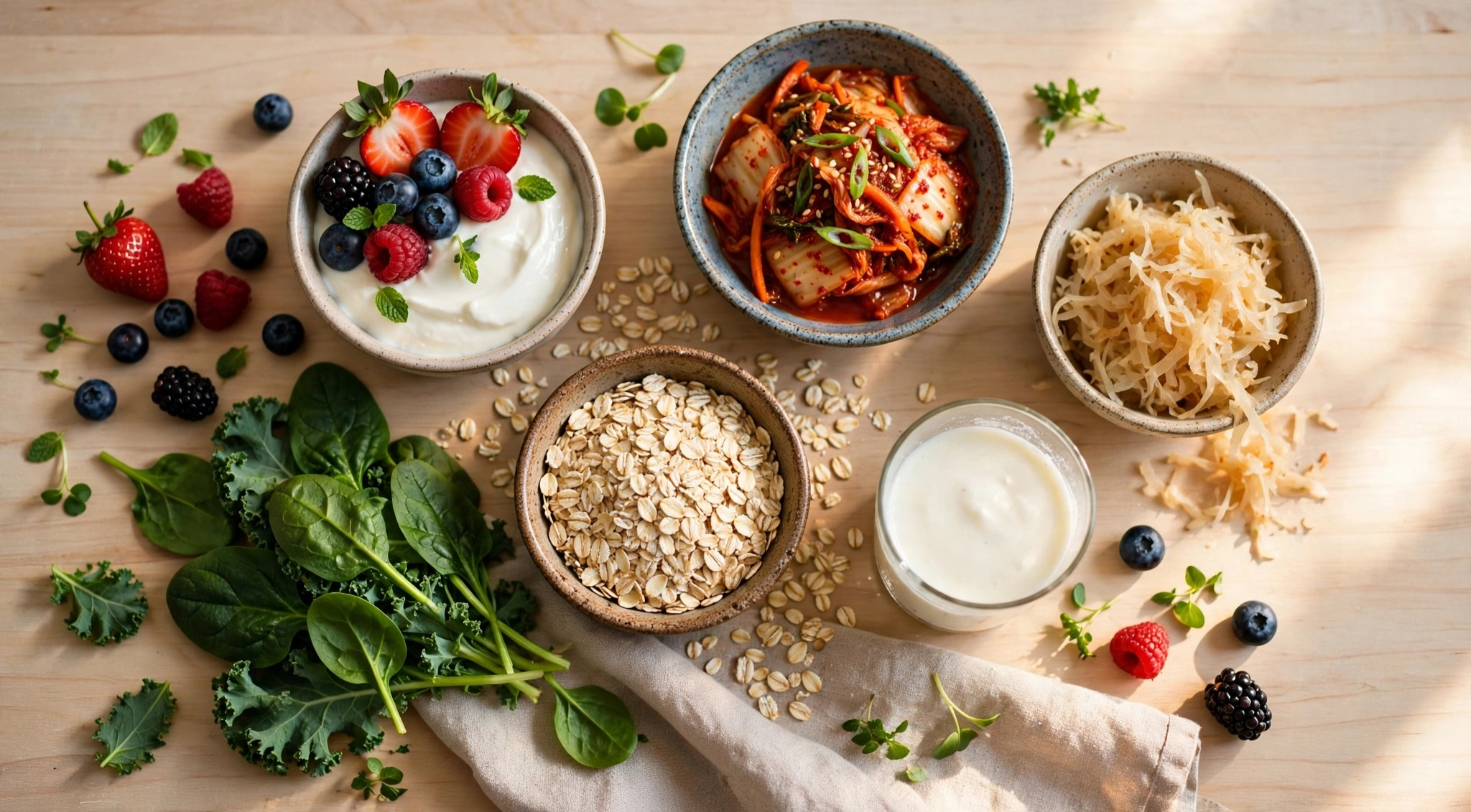
If you eat little fibre now, add more bit by bit to dodge gas and bloating. This is one of the most useful gut health tips for beginners. Start with oats, bananas, lentils, and cooked veggies, then build up to beans, whole grains, and mixed salads.
3. Add Fermented Foods
Try to eat fermented foods each day – yoghurt, kefir, kimchi, sauerkraut – starting with small amounts. Some people find these foods hard to digest at first, so build up your portions over time. This patience is one of the quieter gut health tips that people often skip.
4. Cut Back on Processed Food
You don’t need to change your whole diet at once; just follow a simple plan, one of the more doable gut health tips to try. Aim for 80% of your food to be minimally processed, and leave 20% flexible. When you do eat packaged food, pair it with fibre and protein to keep your day balanced.
5. Skip Heavily Packaged Food
Skip packaged food when you can – it often has high levels of preservatives that hurt your gut. Choose fresh food instead, for the most nutrients. This alone is one of the most overlooked gut health tips.
6. Respect Antibiotics, and Recover After
If you need antibiotics, take the lowest dose that works. After your course, focus on fibre-rich and fermented food, which ties right back to Hack Your Health: The Secret of Your Gut Health.
7. Sleep Well for Your Gut
Keep a steady sleep schedule. Go to bed and wake up at the same time, and skip the late-night scrolling. Good sleep habits are one of the simplest gut health tips to apply.
8. Move Every Day
A short walk after meals helps your digestion and blood sugar, one of the most repeated gut health tips, for good reason. Light activity for 30 to 40 minutes a day also helps.
9. Manage Your Stress
You don’t need hours of meditation to lower stress, one of the calmer parts of Hack Your Health: The Secret of Your Gut Health.
- Meditate for five minutes each morning.
- Take a ten-minute walk outside, away from your phone.
- Try deep breathing before bed.
10. Watch Your Own Gut Signals
Gut health looks different for everyone, so track your own patterns – one of the most personal gut health tips there is:
- Which foods seem to upset your gut.
- Whether flare-ups link to poor sleep or high stress.
- Which foods bring you relief.
If you notice serious signs, like blood in your stool, sudden weight loss, ongoing severe pain, or a lasting fever, treat it as an emergency and see a doctor right away.
Sticking with these steps, day after day, is the real answer to Hack Your Health: The Secret of Your Gut Health.
At Healthyayu, you will get to know the best foods for health, ways to improve mental health, best foods for gut health, and foods for good mental health for better well-being.
Key Takeaways
- Your gut affects your mood, skin, immune system, and weight.
- Processed food, antibiotics, stress, poor sleep, and low movement can all hurt your gut.
- A wide range of plant foods supports a strong, varied gut.
- Small, steady habits beat one big fix.
- Watch for serious warning signs, and see a doctor if they show up.
FAQs
1. How do you hack your gut health?
Hack Your Health: The Secret of Your Gut Health comes down to consistency: varied, fibre-rich food, stress management, steady sleep, and daily movement – not one magic supplement.
2. What are common signs of an unhealthy gut?
Bloating, brain fog, low mood, skin flare-ups, uneven digestion, and low energy are all worth tracking as part of Hack Your Health: The Secret of Your Gut Health.
3. Which foods naturally support gut health?
Yoghurt, kefir, kimchi, oats, lentils, bananas, and leafy greens are strong picks, and adding them daily is one of the easiest gut health tips to follow.
4. What are some simple tips to improve gut health?
Useful gut health tips include more plant variety, adding fiber slowly, fermented foods, steady sleep, and walking after meals.
5. What are the best natural ways to support gut health each day?
Daily movement, morning sunlight, stress management, and steady meal times are lasting gut health tips that support Hack Your Health: The Secret of Your Gut Health, without relying on any supplement.e.