
Estimated reading time: 9 minutes
Introduction
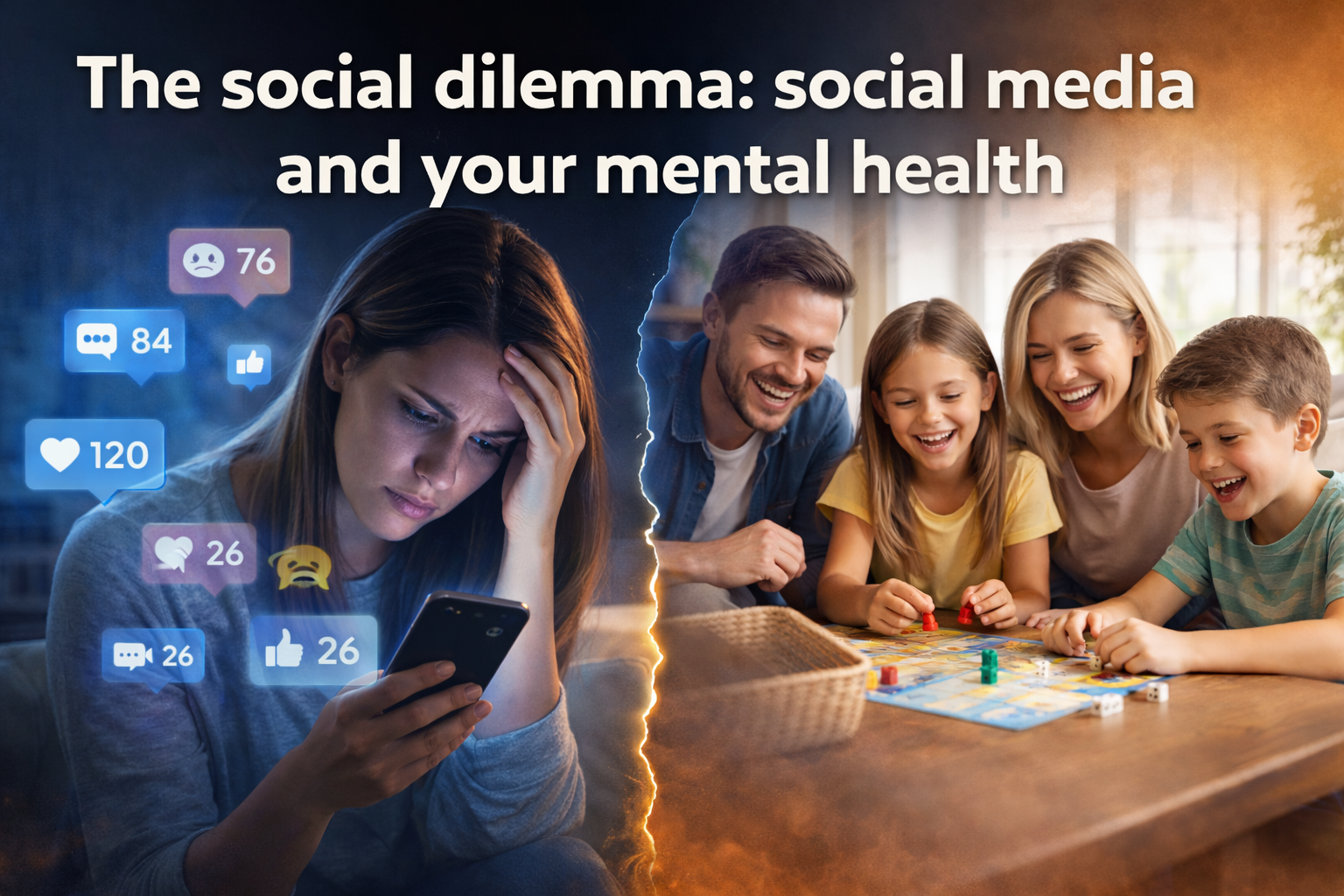
We live in a world where our phones buzz more often than our hearts beat. Social media promised connection, creativity, expression, and community, but not in the real world as our parents had. It has created a storm in our minds as most people, especially young adults, assume that if they do not use social media regularly, they fall behind in society.
Every scroll, like, and tap carries an unseen price. People think they are using social media for free, but that’s not true. Our time is the price we pay for using social media. While platforms claim to unite us with the world, in reality, they find ways to keep us engaged on social media. In reality, they are selling our time to other companies that pay them to give ads.
Keeping that much engaged on social media shapes our emotions, thoughts, and well-being, and most of us don’t even realize it. This is the social dilemma — where connection and harm walk hand in hand.
How Social Media Became Our New Normal
Today, social media platforms such as WhatsApp, Instagram, Facebook, TikTok, Snapchat, and YouTube are woven into daily life. According to the Pew Research Center, about 69% of adults in the US use social media, and a staggering 81% of teens are active users — figures that reflect the global trend of increasing screen time. (deconstructingstigma.org)
For many adults and young people, checking their smartphones is one of the first and last things they do each day. For most people, social media was once a tool for sharing photos or checking messages from friends, but it was never a place to share personal details.
Now it has become a central space for identity, belonging, comparison, and validation. Now, people find validation for their work on social media rather than in the real world. Now they take advice in the form of comments rather than from an expert.
The Mental Health Toll: What Research Shows
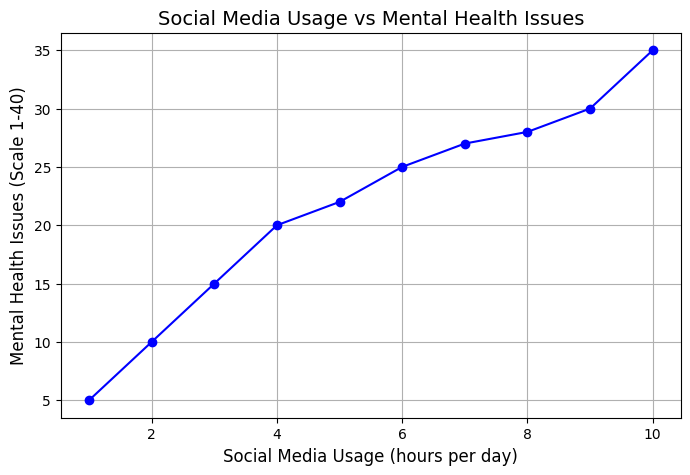
Social media doesn’t affect everyone in exactly the same way because people use it for their own purposes. Some use it for work, research, and interacting with people, and some use it for time-passing. But research paints a concerning picture — especially for children and young adults- of how their mental health has been affecting day by day.
1. Anxiety and Depression
Multiple studies report strong links between heavy social media use and increased anxiety, depression, and psychological distress. (law.stanford.edu)
For instance:
- People who use social media more frequently are more likely to experience anxiety and depressive symptoms. (PMC)
- Long hours of scrolling — especially at night — are associated with poor sleep quality, which in itself is a risk factor for mood disorders. (Consumer Notice, LLC)
2. Self-Esteem and Comparison
Seeing idealized versions of others’ lives can create feelings of inadequacy and self-doubt. Constant comparison — whether around appearance, success, lifestyle, or relationships — negatively affects self-esteem, particularly in young users. (SOM Salud Mental 360)
3. Youth Vulnerability
Adolescence is a time of emotional growth and identity formation. But today, most youth are focused solelyon building identity on social media. They hardly interact in the real world and spend on personality development. Excessive social media use during this stage has been linked with heightened levels of stress, anxiety, and even sleep disruption. (PMC)
A study done on Indian adolescents found that young people who used social media heavily were more likely to develop mental disorders. Such as anxiety and distress, and they often stayed up late scrolling, affecting both physical and mental health and academic performance. (PMC)
Reports also show that a significant percentage of Indian teens — about 27% — develop signs of social media dependency, which correlates with decreased academic focus and emerging mental health conditions. (Best Colleges)
Why Teenagers and children are Most Affected
Social media affects children and young adults differently from youth, and for a few key reasons:
1. Developing Brains Are More Sensitive
During childhood and adolescence, the brain is in a developmental stage. During this stage, the brain develops emotions, personality, and decision-making and also undergoes the brain’s own neurological development. Excessive exposure to screens and curated content may influence mood regulation, impulse control, and social awareness.
2. Social Validation Becomes Central
Likes, comments, reactions, and follower counts are often interpreted as social validation. This can lead to addictive patterns — where teens seek approval online to feel valued in real life. They hardly depend on the validation from their parents and elders. Sometimes, they post on social media to get validation for the wrong behaviour or decisions.
3. Cyberbullying
Bullying faced on social media is much louder and easier than in the school’s classroom and at home. On social media, people can easily bully you, even the ones you hardly know. Moreoften you cannot answer everyone.

4. Sleep Disruption and Physical Health
Late-night scrolling interferes with sleep cycles, affecting mood, concentration, and overall well-being. Children and youth who use smartphones in bed before sleep disturb their sleep cycle and cannot achieve deep sleep. If you do not have good sleep at night, then you will wake up tired and unfresh. (Consumer Notice, LLC)
What about the youths? The Not-So-Obvious Impact
Youths are not immune to the effects of social media:
1. Emotional Comparison Doesn’t Stop at 20
Youths start comparing their life to others’ lives on social media. They don’t know whether the other person who is flexing their high standard of living on social media is real or fake. What seems like an innocent peek into someone else’s life. This highlight reel can trigger inadequacy, envy, and regret in them.
2. Cognitive Overload and Stress
Social media is designed to keep you engaged. That is why it gives you endless notifications throughout the day. It provides you with endless content, and feeds can wear on attention, mental energy, and patience. Many users report higher stress levels after prolonged scrolling on social media.
3. Productivity and Career Growth
The time lost to digital distractions directly affects your productivity in both work and studies. With the brain constantly shifting between your current important task and phone distractions. In this way, deep work becomes harder to achieve.
While not all research finds a direct causal link, many studies acknowledge that increased time spent on social media can be associated with reduced well-being and satisfaction, particularly when use does not involve meaningful interaction. (The Social Dilemma)
A Balanced View: Inherent Risks vs. Benefits
It’s important to recognize that social media is not only harmful. Some individuals use these platforms to find support, community, and inspiration — which can benefit overall well-being. Some also use it for their business purposes. (Harvard T.H. Chan School)
However, the risk of the social dilemma rises:
- When anyone spends excessive time on social media.
- You start comparing yourself with others, which triggers negative comparisons.
- You spend most of your time chatting with your social media friends rather than engaging in real-world interactions.
- Cyberbullying or unrealistic portrayals dominate the overall experience of social media platforms.
So, What Can We Do to come out of this dilemma?
Here are some practical steps that you can use to come out of this:
1. Limit Daily Screen Time
Make some rules about not using smartphones during meal time or before bed, or limit it to a 24-hour time restriction. There are many smartphones that can tell you how much you use your phone, with details on which app you used for how much time. This also lets you set timers for apps and screen time.

2. Choose Your Feeds Wisely
There are certain accounts that promote negativity and post fake content. Curate the accounts from your feed that promote negativity. Choose accounts that promote positivity and self-growth.
3. Digital Breaks
Take regular breaks from social media. Even short periods of disconnection can reduce stress and improve mood. It can be started by keeping your phone out of reach when you are studying or spending time with your family.
4. Talk Openly
Encourage honest conversations with friends, family, or support groups about how social media actually makes you feel. Is it depressing you, or is it providing you with something that relaxes your mind?
5. Encourage real-world activities
Try going to the park, attending social events, or having a chat with someone while having coffee at your local cafe. You can also go for sports and fitness activities. It will decrease your reliance on social media.
📌 Keynote: A Journey Towards Digital Well-Being
In the end, the social dilemma isn’t just about apps or smartphones. It’s about human hearts and minds and the development of humankind as a whole. It will shape our future.
Social media itself isn’t inherently evil, but the ways we interact with it — without awareness, boundaries, or balance — can take a toll on our well-being.
We must remind ourselves:
Connection is not measured in likes — but in presence.
Joy is not crafted in images — but in moments.
Self-worth is not found in your post views — but in the life we live beyond the screen.
The goal isn’t to abandon technology — but to use it with intention, empathy, and mindful purpose.
If we nurture our inner worlds with as much care as we cultivate our online appearances, we may reclaim not just healthier minds — but deeper, more fulfilling lives.
Key Takeaways
- Social media deeply impacts mental health, leading to anxiety, depression, and self-esteem issues, particularly among youth.
- Young adults often seek validation on social media, which can lead to addiction and unhealthy comparisons.
- Excessive use of social media disrupts sleep patterns and negatively affects overall well-being.
- To counteract these effects, limit screen time, choose positive content, and engage in real-world activities.
- Ultimately, balance and mindfulness in using social media can promote healthier mental health and well-being.
End Notes
If you found this blog helpful, share it with someone who you think might be silently struggling too. Social media may connect us in numbers. But true well-being begins with real understanding and genuine care of the society around you.